
Our food costs the earth too much. And our body gets too little. Algae solve both problems at once.
Why eat algae
Below, we explain why — in three parts. Sustainability. Nutrition. And what science is only just beginning to discover.



Algae are among the most sustainable food sources in existence.
1 — sustainable food source
Less agricultural land, more nature
Spirulina also requires 40 times less land than soy — and is cultivated in closed systems. No nitrogen leaching, no deforestation. The land that becomes available can be returned to forests, nature, and biodiversity. More algae on your plate literally means more nature on Earth.
Source: Spiegel et al., PMC/NCBI & Alvarado-Morales et al., ScienceDirect LCA 2025
Leave the oceans alone
Fish do not produce omega-3 themselves. They eat algae — and thus absorb it. So, we do the same, but skip the fish. Directly to the source, without catching, without additional pressure on already depleted fish stocks.
Grows on CO₂
Algae convert CO₂ into biomass through photosynthesis. When linked to industrial emissions, that CO₂ becomes a raw material instead of a problem. Almost no other food source can claim that.
Source: Benemann & Oswald via PMC & MIT News
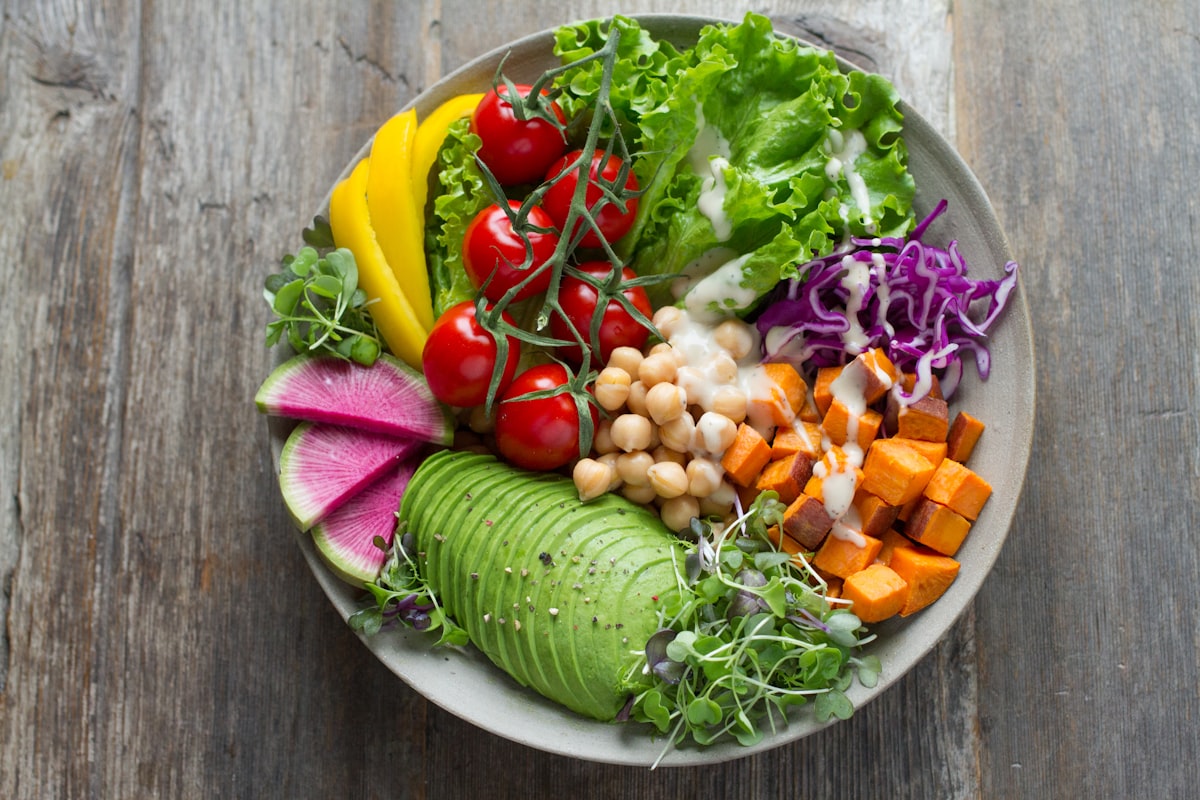
Natural way to replenish deficiencies.
2 — filling shortages
The numbers don't lie. And neither do the algae.
Two-thirds of the Netherlands consumes too little omega-3
Your body doesn't produce omega-3 itself. You need to get it through food. But more than two-thirds of Dutch people hardly eat any oily fish. Algae oil provides exactly the EPA and DHA that your brain, heart, and eyes need — without fish, without fuss.
1 in 3 women suffer from iron deficiency
Tired, foggy, short of breath—and no idea why. Iron deficiency is one of the most underestimated problems in women. Menstruation, plant-based diet, busy life: iron reserves gradually deplete. Spirulina contains more iron per gram than almost any other food.
92% get too little vitamin D from their diet
We live in the wrong country for vitamin D. Little sun, a lot of cloud cover, a lot of indoor living. Vitamin D3 from algae is one of the few plant-based sources that the body can readily absorb — ideal for anyone who isn't in the sun daily.
Three-quarters do not meet the daily recommended fiber intake
We think we eat healthily. We are systematically wrong. Fibre is essential for gut health, blood sugar, and satiety — but most Dutch people miss out on it daily. Spirulina and chlorella contain fibres that actively support gut flora.

Algae have been around for 3.5 billion years. We are only just beginning to understand them.
3 — Health Potential
Algae contain bioactive compounds found in virtually no other food. Research is growing rapidly — and the initial results in humans are striking.
Inflammation — the silent enemy that algae know
Low-grade inflammation is one of the most researched topics in modern nutritional science. In a large meta-analysis of 22 studies with more than 5,000 participants, spirulina supplementation showed significant decreases in multiple inflammatory markers, including CRP and interleukin-6. The active compound: phycocyanin — the blue pigment unique to algae that, in research, influences inflammatory pathways involved in almost all bodily processes.
Skin & Aging — the antioxidant that’s different
Astaxanthin is the red pigment that makes flamingos pink and gives salmon its color — and one of the most powerful antioxidants found in nature. Unique: it is both fat- and water-soluble, allowing it to reach virtually every cell in the body. Clinical studies investigated its potential effects on skin moisture and elasticity. Furthermore, it is the first substance in the 20-year history of the Interventions Testing Program to show striking results in animal research, and is considered safe for long-term use as a dietary supplement.
Gut health — better than the market leader
The gut is one of the most researched areas in modern nutritional science. In laboratory research, an algae extract stimulated the growth of beneficial gut bacteria more strongly than inulin – the most widely used prebiotic substance in the world. Algae contain unique fibres and polysaccharides that are found in almost no other plant-based foods. What this means for humans is now being extensively researched.
Few official claims. Not because algae don't work.
To make an official health claim, a substance must be approved by the EFSA. This requires large-scale, costly research — the kind that is only feasible if you have a patent on what you sell. But no one holds a patent on an alga.
"The absence of official claims therefore mainly says something about the stage of the research — not about the possible potential of this unique food category."
We believe science is only just beginning to understand algae. And we are in early.
Big problems await big solutions. But big changes start with small choices. Yours.
Make the switch
Swap one supplement. Choose plant-based. Choose algae. It starts with your next order.